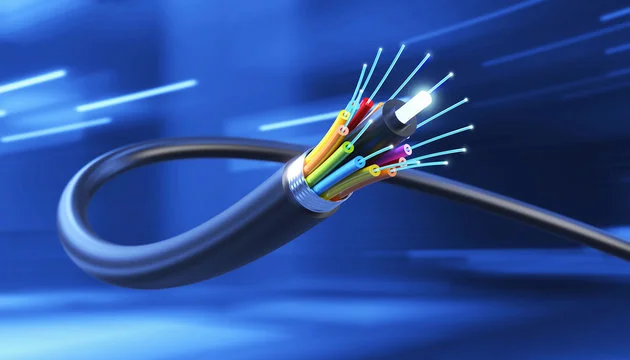
Foil Twisted Pair (FTP) Cables Explained
Foil Twisted Pair (FTP) cables are a specialized type of network cabling that offers enhanced protection against electromagnetic interference (EMI) while ensuring high-quality data transmission. Ideal for environments with high electrical noise, FTP cables combine the traditional twisted pair design with an additional foil shield, making them an excellent choice for both commercial and industrial applications.
What Are FTP Cables?
FTP cables are a variant of twisted pair cabling that features a thin, conductive foil layer wrapped around the twisted pairs. This foil shield acts as a barrier against external interference and crosstalk, ensuring that data signals remain strong and clear. Unlike Unshielded Twisted Pair (UTP) cables, FTP cables are designed to protect against EMI, making them particularly useful in high-interference settings.
How Do FTP Cables Work?
The effectiveness of FTP cables lies in their unique construction:
- Twisted Pair Design: Each pair of wires is twisted at specific intervals, which helps cancel out noise and reduce crosstalk.
- Foil Shielding: The foil wrap around the cable or individual pairs acts as a shield, blocking electromagnetic interference from external sources.
- Enhanced Signal Integrity: By combining twisting with foil shielding, FTP cables maintain a high level of signal integrity, even in environments with significant electrical noise.
This dual approach makes FTP cables a reliable solution for high-speed data transmission in challenging conditions.
Advantages of FTP Cables
FTP cables offer several benefits that set them apart from other types of network cabling:
- Superior EMI Protection: The foil shield effectively blocks external interference, reducing signal degradation.
- Improved Data Quality: With less interference, FTP cables ensure clearer and more reliable data transmission.
- Cost-Effective Performance: FTP cables offer enhanced performance without a significant increase in cost compared to other shielded options.
- Versatile Applications: Ideal for environments ranging from busy office spaces to industrial settings where EMI is a common challenge.
Common Applications of FTP Cables
Due to their robust design and superior interference protection, FTP cables are widely used in various applications:
- Office Networks: In environments with numerous electronic devices, FTP cables help maintain stable and clear connections.
- Industrial Settings: Factories and manufacturing plants benefit from FTP cables’ ability to mitigate interference from heavy machinery.
- Data Centers: High-speed data transmission is critical in data centers, and FTP cables ensure that the integrity of data is preserved.
- Telecommunications: FTP cables are used in systems where clear signal transmission is essential, including telephone and internet services.
Installation and Maintenance Tips
To maximize the benefits of FTP cables, proper installation and maintenance are crucial:
- Follow Industry Standards: Adhere to TIA/EIA guidelines during installation to ensure optimal performance.
- Ensure Proper Grounding: Correct grounding of the foil shield is vital to prevent potential interference issues.
- Avoid Excessive Bending: Minimize sharp bends and twists in the cable to preserve the integrity of the foil shield.
- Regular Inspections: Periodically check cable connections and insulation to detect and address any signs of wear or damage.
Conclusion
Foil Twisted Pair (FTP) cables provide a robust and reliable solution for environments where electromagnetic interference can compromise data quality. With their effective combination of twisted pair design and foil shielding, FTP cables ensure high-speed, stable connectivity across various applications. Whether you’re setting up a modern office network, securing a data center, or addressing industrial interference challenges, FTP cables offer the performance and durability required for today's high-demand environments.